Bangladesh’s Road Safety Crisis: When Will Discipline Return to the Roads?
Bangladesh continues to face a serious road safety crisis, with thousands of people losing their lives in traffic accidents every year. Despite repeated calls for stricter enforcement and safer transport systems, reckless driving, unfit vehicles and widespread traffic violations remain major concerns.
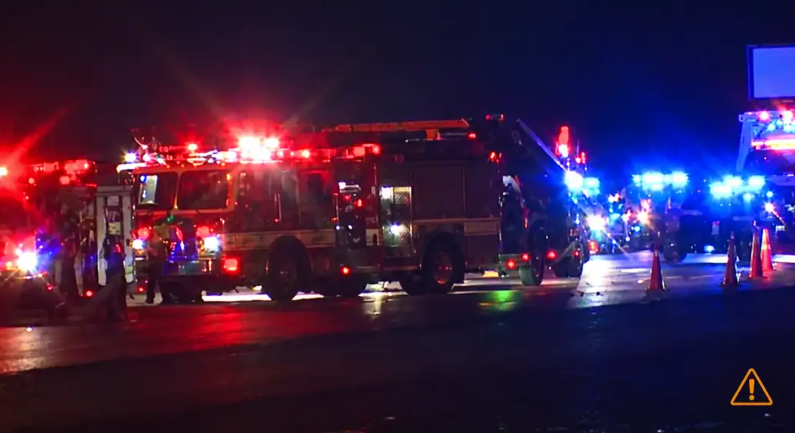
According to the Bangladesh Jatri Kalyan Samity, a total of 125,405 people were killed and another 176,249 injured in 72,736 road accidents between 2014 and June 30, 2026. The figures, released ahead of National Road Safety Day on October 22, were compiled from reports published in the media. The organisation warned that the actual number of casualties could be considerably higher.
What is causing the accidents?
Road safety experts and transport advocates have identified several factors contributing to the alarming number of crashes across the country.
The rapid growth of motorcycles, battery-powered rickshaws and CNG-run auto-rickshaws has made traffic management increasingly challenging. At the same time, unlicensed and inexperienced drivers, vehicles lacking proper fitness certificates, speeding and dangerous overtaking continue to put road users at risk.
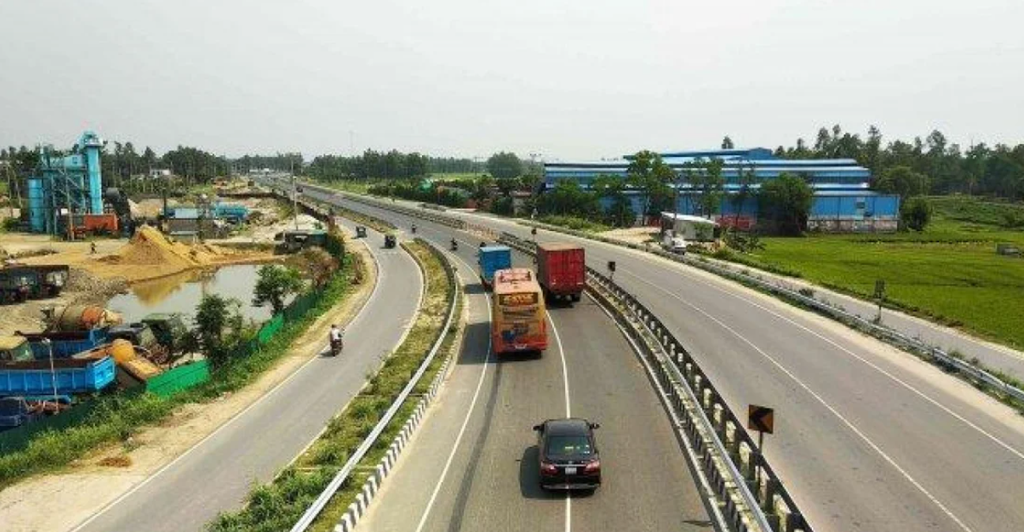
Poor road design is another concern. Missing road dividers, dangerous bends, inadequate traffic signs and unsafe intersections can increase the likelihood of serious accidents. Driving against traffic, carrying passengers in goods vehicles and operating vehicles beyond their capacity also create additional risks.
Long working hours without adequate rest can further increase the danger, particularly when drivers operate vehicles while exhausted.
Are existing laws being enforced effectively?
Bangladesh has introduced road safety laws and taken various enforcement measures, but concerns remain about their consistent implementation.
The persistence of dangerous driving practices raises questions about whether traffic rules are being applied effectively and whether repeat offenders face meaningful consequences. Weak oversight, alleged corruption and extortion in the transport sector have also been cited by transport advocacy groups as contributing factors.
Simply introducing stricter laws may not be enough. Effective enforcement, accountability and coordination among the relevant authorities are essential to making roads safer.
What needs to change?
Reducing road fatalities requires a comprehensive approach that goes beyond occasional traffic crackdowns. Authorities need to ensure that drivers hold valid licences, vehicles meet fitness standards and speed limits are enforced consistently.
Improving road design, identifying accident-prone locations, installing clear traffic signs and creating safer pedestrian crossings are also important steps. Better public transport and stronger rail and waterway networks could help reduce pressure on roads.
Public awareness must also improve. Drivers, passengers and pedestrians all have a role to play in following traffic rules and avoiding dangerous behaviour.
A crisis that demands action
Behind every road death is a family facing grief, financial hardship and an uncertain future. The scale of the reported casualties shows why road safety must be treated as a public priority rather than merely a traffic management issue.
The challenge for Bangladesh is no longer just identifying the causes of road accidents. It is turning existing laws, plans and commitments into consistent action that saves lives.
Until enforcement improves, unsafe vehicles are taken off the roads and safer transport infrastructure becomes a reality, the question will remain: when will discipline return to Bangladesh’s roads?
Reporting by Borderless for The Borderless Journal. Filed under Uncategorized · 22 Oct 2026, 13:00.