
Winning the Ballon d’Or is one of the biggest achievements in football. But while the award brings worldwide recognition and prestige, many fans wonder whether the winner receives a cash prize and how much the famous trophy is actually worth.
The Ballon d’Or was introduced in 1956 by French magazine France Football. English footballer Stanley Matthews became the award’s first winner. Initially, it was limited to European players, but eligibility expanded in 1995 to include players from other continents playing in European clubs. In 2007, the award became open to footballers worldwide.
Between 2010 and 2015, the Ballon d’Or merged with FIFA’s World Player of the Year award. The two awards later separated, while the Women’s Ballon d’Or was introduced in 2018 to recognise excellence in women’s football.
Is the Ballon d’Or Made of Real Gold?
Despite its name and golden appearance, the Ballon d’Or trophy is not made entirely of solid gold.
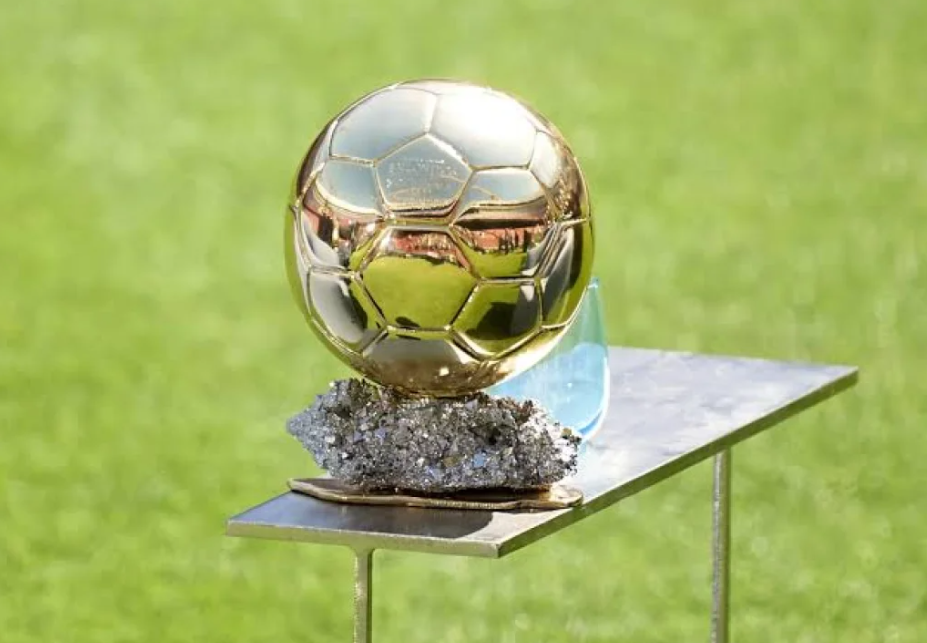
The trophy is reportedly handcrafted by French jewellery house Mellerio. Its construction involves two brass hemispheres assembled with 32 panels, followed by a gold coating. The trophy is mounted on a base made from pyrite, a mineral often known as “fool’s gold.”
The award measures approximately 31 centimetres in height and 23 centimetres in width, and weighs more than 10 kilograms. Estimates suggest that producing the trophy costs around €3,000, although this figure has not been officially confirmed.
How Much Money Does the Winner Receive?
Unlike some sporting competitions, the Ballon d’Or does not come with a publicly announced, fixed cash prize from France Football.
However, winning the award can bring substantial financial benefits beyond the trophy itself. The winner’s global profile often rises, creating new opportunities for sponsorship deals, advertising campaigns and more lucrative contracts with clubs and commercial partners.
For example, reports have suggested that Luka Modrić received a bonus of around €800,000 from Nike following his 2018 Ballon d’Or triumph. However, such figures are estimates and may depend on the terms of individual sponsorship agreements.
The award can also significantly boost the marketability of players in women’s football. Aitana Bonmatí’s Ballon d’Or victories, for instance, have further strengthened her international profile and standing in the sport.
Ultimately, the Ballon d’Or’s value goes far beyond the cost of its physical trophy. For the winner, the award represents footballing excellence and can open doors to major commercial opportunities, even without a guaranteed cash prize.
Reporting by Borderless for The Borderless Journal. Filed under Uncategorized · 26 Oct 2026, 18:00.