From Tissue Paper to Goodbye
Lionel Messi’s extraordinary journey—from a growth-deficient boy in Rosario whose Barcelona future was sealed on a scrap of tissue paper to a World Cup-winning captain signing off from Argentina on handwritten pages.
His story began on a piece of tissue paper. It ends, at least in an Argentina shirt, with a handwritten farewell. Between those two fragile pieces of paper lies one of football’s greatest stories—a journey that took a small boy from Rosario, struggling with a costly growth-hormone treatment, to Barcelona, Paris Saint-Germain and Inter Miami, before ultimately making him a World Cup champion and one of the greatest players the game has ever known.
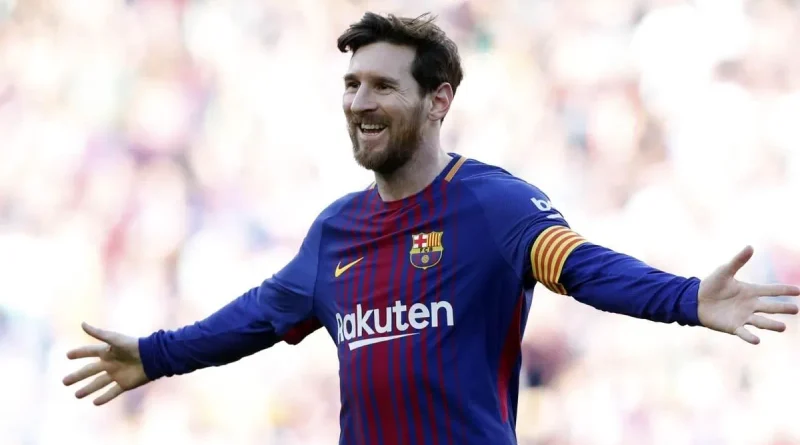
Lionel Messi was born in Rosario on June 24, 1987. As a child, he was diagnosed with a growth hormone deficiency. His physical development was slower than that of other children, while the treatment he needed was expensive and difficult for his family to afford. But football offered a different picture. With the ball at his feet, Messi looked anything but ordinary. His extraordinary close control and magical dribbling caught the attention of Barcelona’s Carles Rexach. The club saw something in the diminutive Argentine that others could only dream of finding.
Barcelona agreed to help with his medical treatment. There was just one problem: there was no paper. So they used a tissue. Written in blue ink, the informal agreement became one of the most famous pieces of paper in football history. It opened the door to La Masia, Barcelona’s legendary academy, and set Messi on a path that would eventually take him to the summit of world football. The tissue-paper agreement that once seemed almost insignificant later became a priceless relic. In 2024, it was reportedly sold at auction for millions.
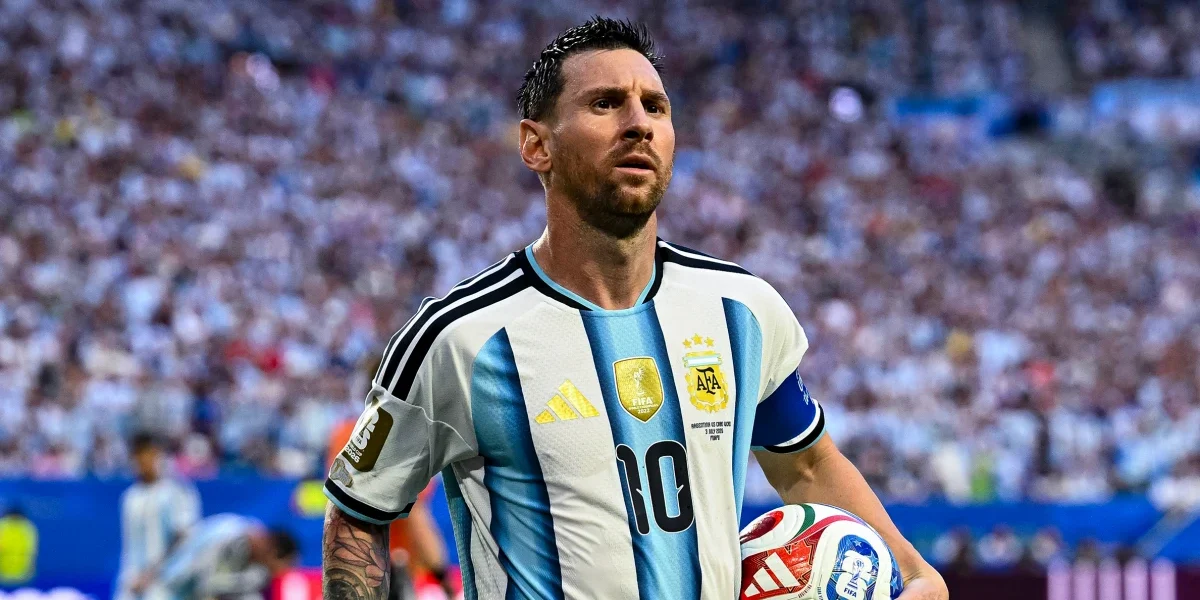
But decades after that remarkable beginning, Messi needed something else to put his feelings into words. This time, it was not a contract. It was a farewell. On August 31, 2026, Messi announced his retirement from international football after more than two decades wearing the Argentina shirt.
The decision came after a heartbreaking end to the 2026 World Cup. At the New York/New Jersey Stadium, Argentina faced Spain in the final with Messi chasing one more international trophy. Instead, Spain won 1–0 after extra time. There was no final celebration and no trophy in Messi’s hands. Only tears. Two days later, Messi wrote the letter that would eventually become his farewell to Argentina. In it, he reflected on the meaning of the national shirt and the commitment he had carried throughout his career.
“I swear to you that I always gave it my all—not just in these last few years when we won everything, but before that too,” Messi wrote, underlining the devotion he had shown to Argentina throughout his career.
For years, Argentina’s greatest player carried the weight of a nation that demanded trophies. There were painful defeats, missed opportunities and heartbreaking finals. For a long time, the criticism seemed endless. Then everything changed. The 2021 Copa América ended the drought. The 2022 World Cup completed the dream. The 2024 Copa América added another international crown. Messi had finally given Argentina what generations of supporters had desperately wanted.
He leaves the national team as Argentina’s record appearance-maker and leading scorer, with 207 appearances and 125 goals. Yet his final World Cup image was not one of triumph. It was one of heartbreak. And perhaps that is fitting, because Messi’s story was never simply about winning. It was about overcoming.
The boy whose career might have been held back in Rosario by a medical condition became the face of Barcelona. The Barcelona teenager became a global superstar. The superstar became a World Cup champion. And the player once questioned for his achievements with Argentina eventually became the captain who lifted the greatest trophy in international football.
Now the Argentina chapter is over. His club career continues with Inter Miami, but the blue-and-white shirt will no longer carry Messi into another international battle. The tissue paper marked the beginning. The handwritten letter marks the farewell. Between them stands a career that turned vulnerability into strength, pressure into glory and a boyhood dream into immortality.
The paper may fade. The ink may disappear. But the name Lionel Messi will remain. And somewhere in the memory of football, the little boy from Rosario will forever be running with the ball at his feet—leaving defenders behind, carrying a nation’s hopes, and making the impossible look beautifully ordinary.
Reporting by Admin for The Borderless Journal. Filed under Sports & Entertainment · 01 Sep 2026, 12:04.