Fertilizer Prices Rise by Up to Tk 600 per Sack Amid Shortages
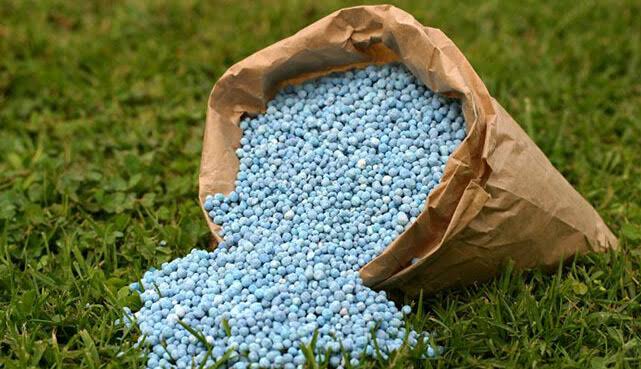
Farmers in several districts are struggling to buy fertilizer at government-set prices, with traders allegedly charging up to Tk 600 more per sack during the ongoing Aman cultivation season.
In Joypurhat, fertilizer supplies are reportedly sufficient, but prices have increased sharply. A 50kg sack of urea, fixed by the government at Tk 1,350, is being sold for Tk 1,900–1,950. TSP fertilizer, also officially priced at Tk 1,350, is selling for Tk 1,900–2,000. DAP and MOP are also being sold above their government-set prices.
Farmers say they are being forced to pay the higher prices, while some traders allegedly refuse to provide receipts. They fear that rising fertilizer and other farming costs could lead to losses, especially as rice prices have not increased at the same rate.
In Meherpur, the situation is more serious, with a major shortage of TSP fertilizer. The district is receiving only around 50–60% of the fertilizer allocation needed to meet demand. Farmers report standing in long queues at government-authorized dealers but receiving only 5–10kg of TSP.
Some farmers say they are being forced to purchase fertilizer from other sellers at much higher prices. Agriculture officials said the shortage is partly linked to the district’s intensive farming, where multiple crops are grown on the same land each year.
Authorities in both districts have promised to take action against traders found charging excessive prices and to work to improve fertilizer supplies.
Meanwhile, in Itna upazila of Kishoreganj, three BCIC fertilizer dealers have surrendered their licenses, citing losses under the government’s new distribution policy. They said higher security deposits and unchanged overall fertilizer allocations have made it difficult to operate profitably.
The fertilizer crisis has increased concerns among farmers about rising production costs and the profitability of this year’s Aman rice cultivation.
Reporting by Admin for The Borderless Journal. Filed under Business & Economy · 22 Aug 2026, 05:42.